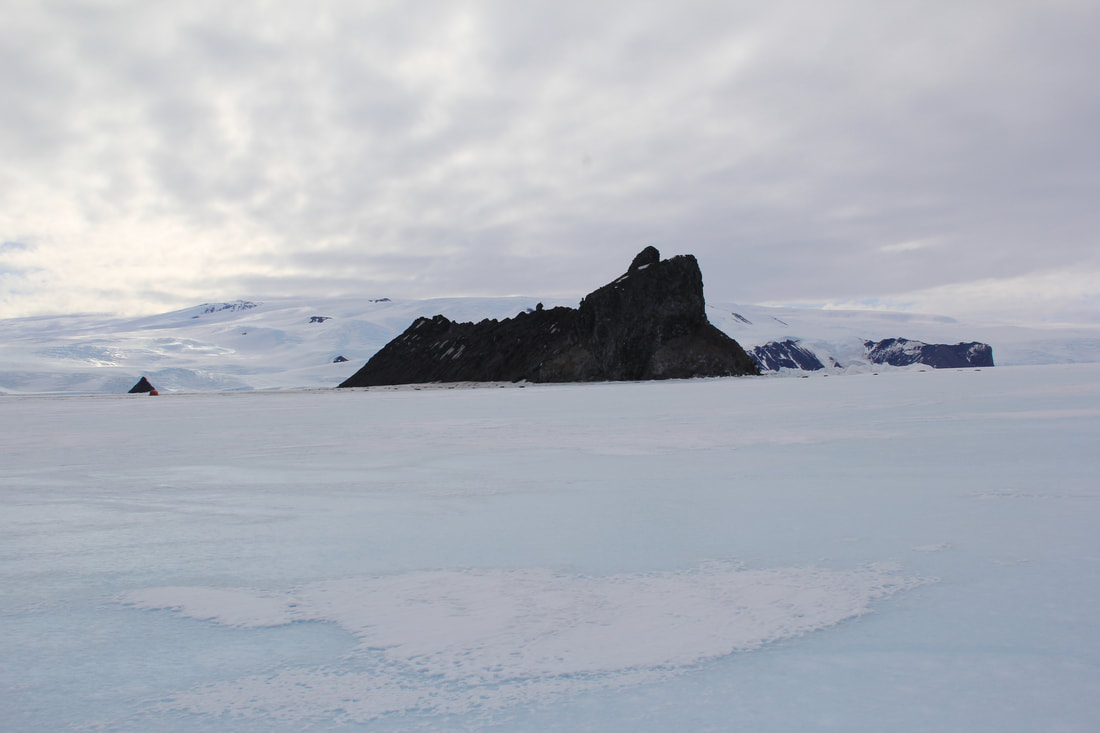
Cuteness alert: this post will contain pictures of adorable baby sealsWe wanted to explore some different sites yesterday to see if the chemical bromoform distribution throughout the sea ice is different. If we find something markedly different, we could sample for biology as well to try to better understand how chemistry and biology intersect in the ice. We worked with the field safety team to identify an area near Razorback, past the Erebus Glacier Tongue, that has been snow free, which means that the ice has more light exposure than at our normal, snow-covered site.
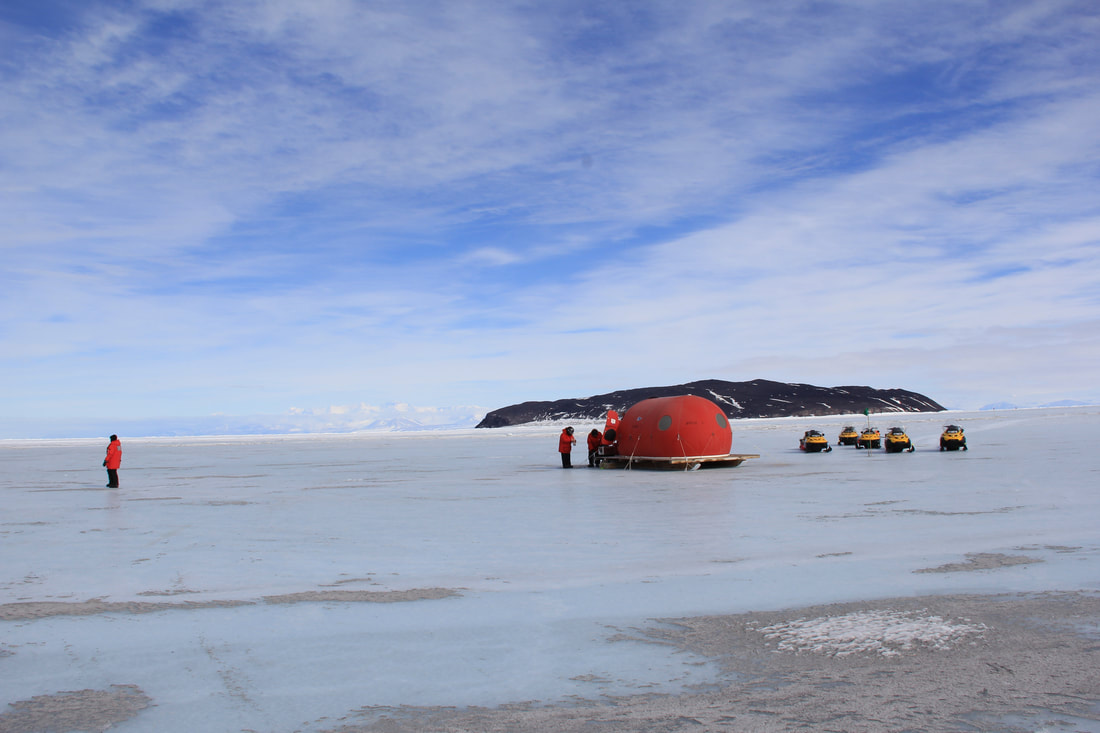
Driving over the snow-free ice was much noisier than on the snow because of the sleds dragging over a harder surface. We also had to stop multiple times to measure sea ice cracks and make sure the ice was thick enough to cross safely. The dynamic ice in this area means that there are openings for seal holes and Razorback was surrounded by Weddell seals, many of which have been tagged already by the seal team from Montana State. Since this area is along the regular seal team route, there was also a seasonal shelter - called an apple - and a refueling station for the seal team's snow mobiles. You can kind of gauge how old the pups are by the size of the pup and of the mom. The pup in the picture of the very large mom calling to her pup is very young: it is tiny and the mother is still huge. Mother seals will lose a huge amount of their body weight during the weeks of intense pup rearing since they are not eating much/at all and are providing fat-rich milk to their pup. There were also a lot of skuas at Razorback. Skuas are scavenger birds and were probably feeding on pieces of seal placenta, and even seal feces, scattered on the ice. 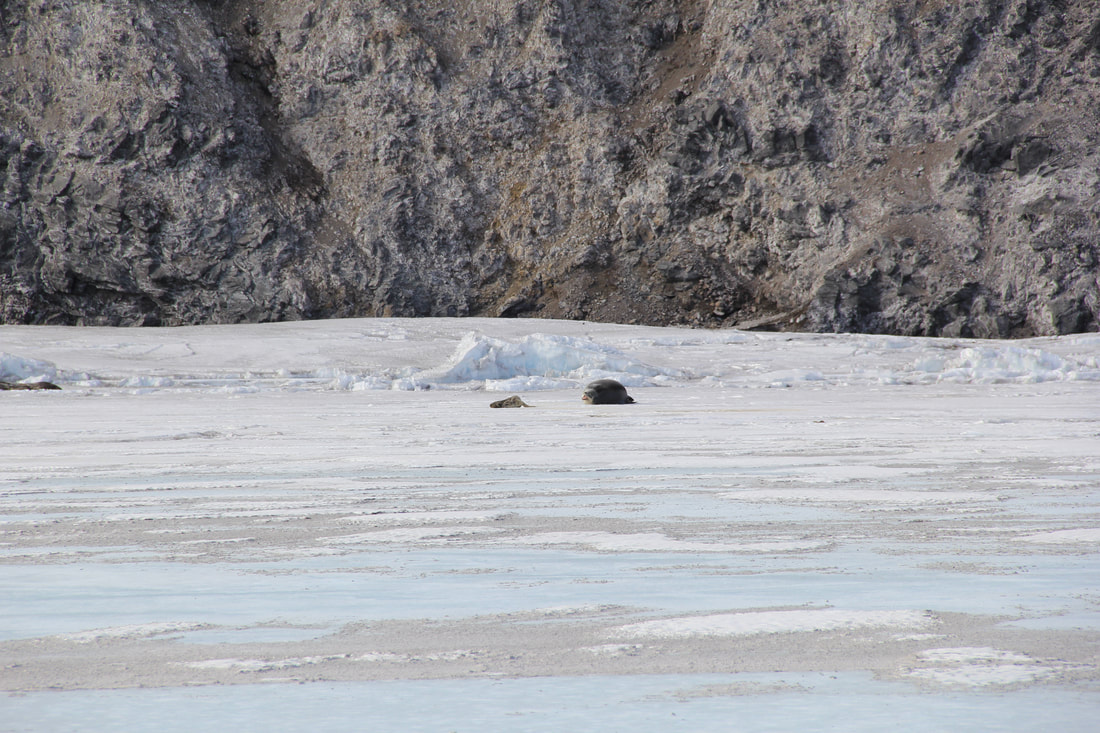 Mother seal calling to her new pup. We couldn't get too close to the seals, especially the moms and pups. 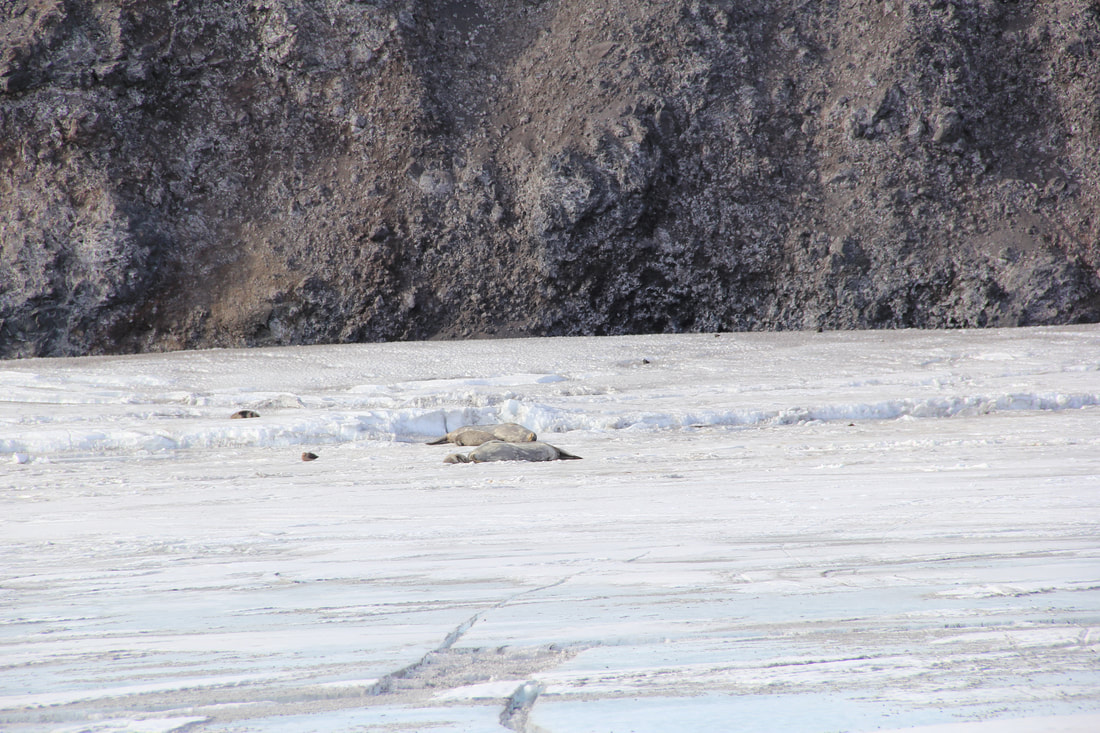 Thick seal blubber makes even sea ice a cozy place for a nap. You can see that these pups are bigger and the moms are smaller. 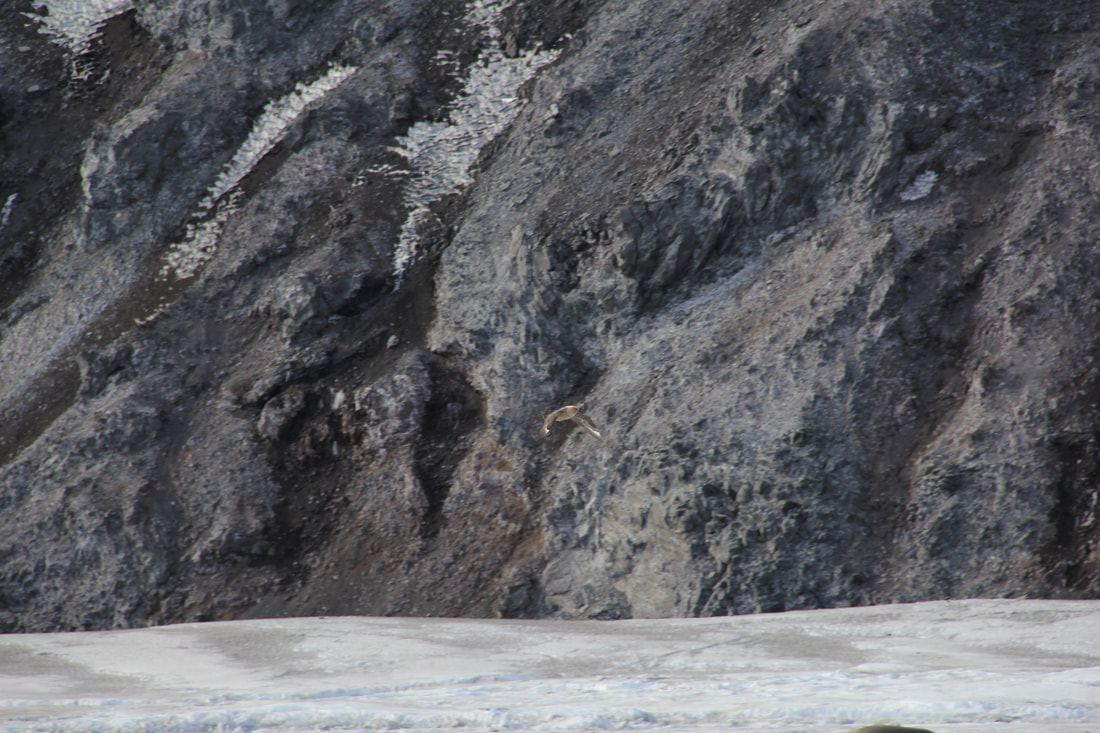 Skua 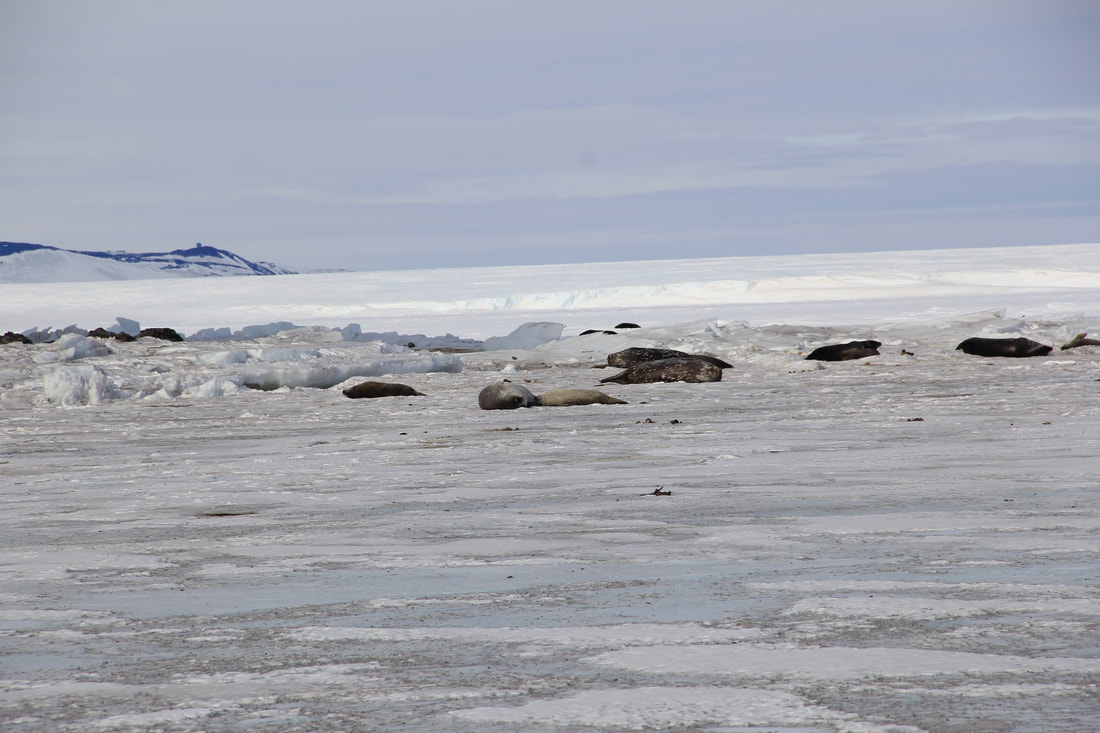 We are used to silent days on the ice, but the seals were very noisy and it sounded like people were yelling in the distance. We noticed an interesting starburst patterns all across the ice surface. None of us knew what it was, but we happened to be at a glaciologist's birthday party last night and Sridhar from Penn State explained to us that these are likely caused by small, localized melting. Dust can accumulate on the sea ice surface in certain areas, make the sea ice less reflective (lower its albedo). This will lead to small areas of meltwater just below the ice surface and the starburst is the meltwater moving through the ice. 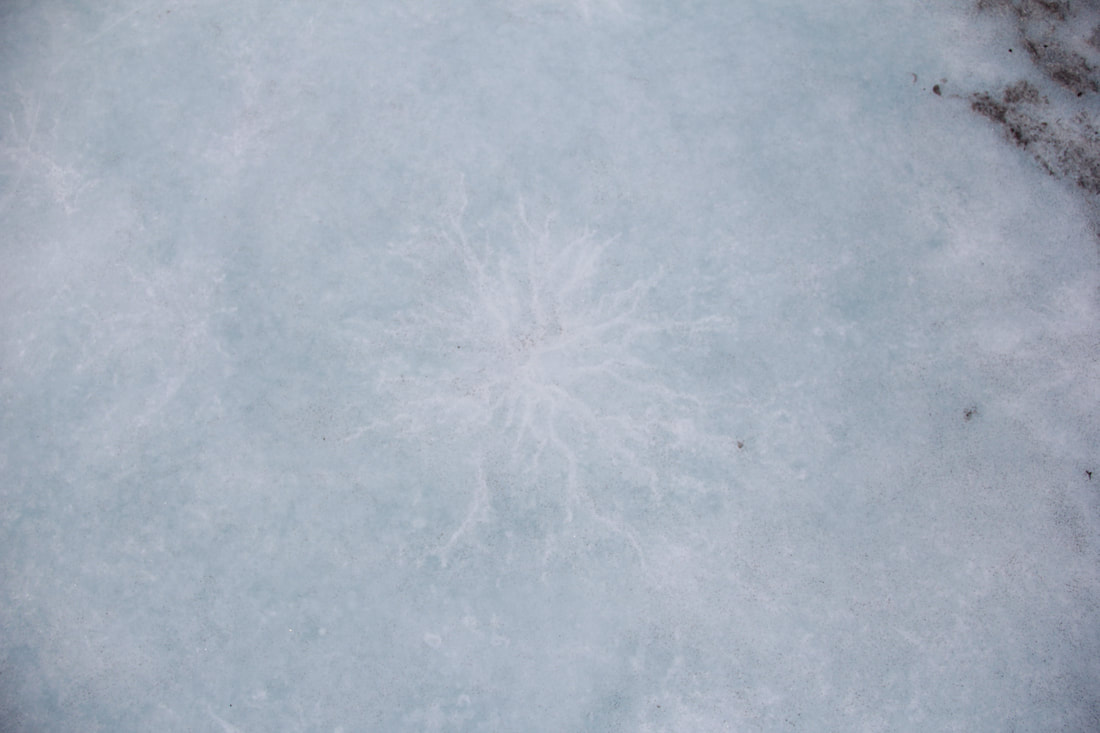
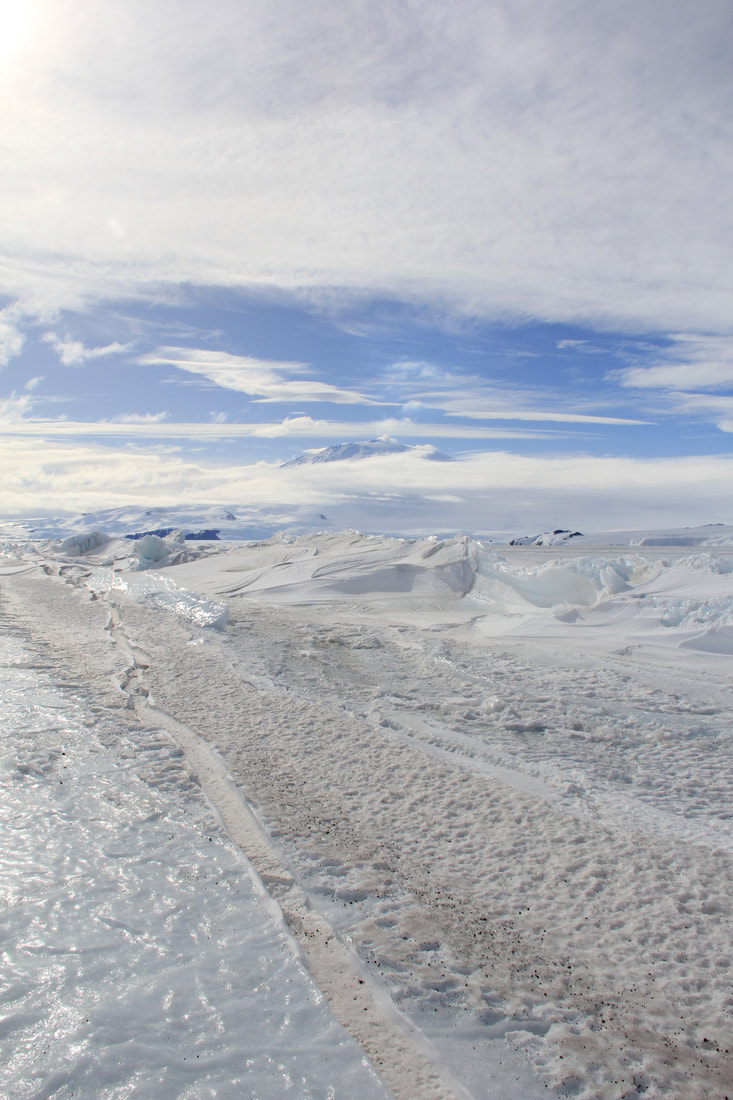
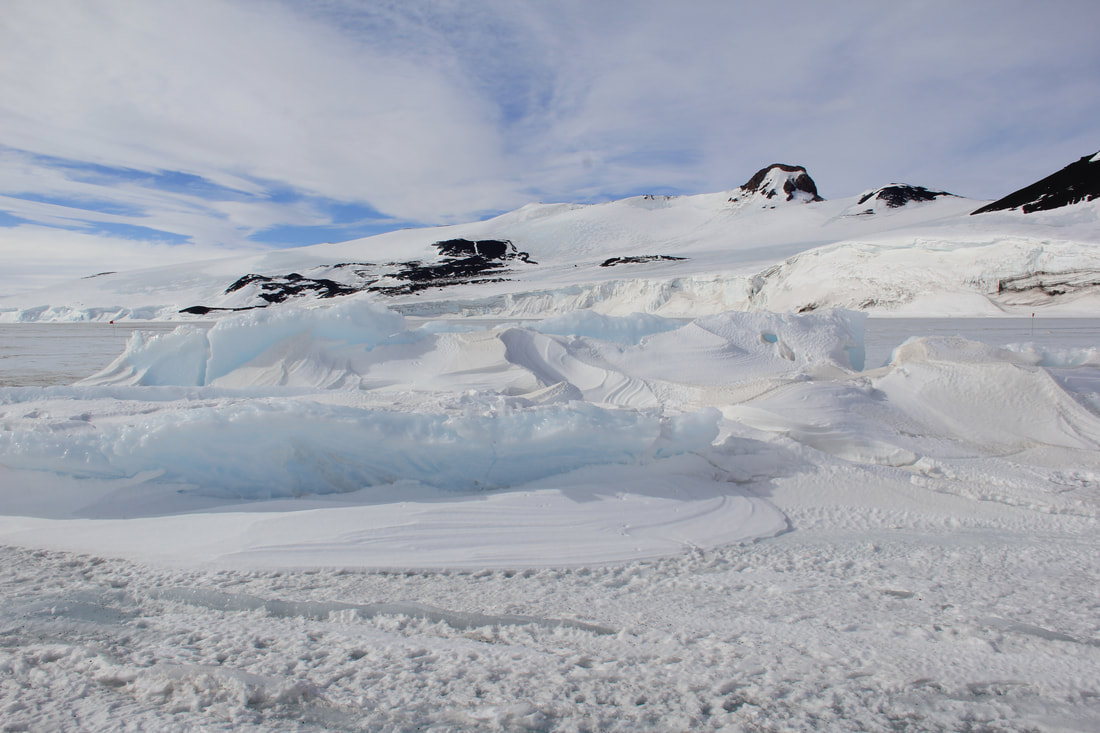 Pressure ridge
3 Comments
Susanne Menden-Deuer
11/13/2023 11:33:59 pm
Emma, thanks for sharing these. Shelly told me about your trip and I really enjoyed seeing the photos. Good luck!
Jessica Schiffman
11/16/2023 07:36:28 pm
Wow! Seals, skuas, lots of lots of ice in so many beautiful formations. What an experience!
Alli
11/19/2023 06:43:45 pm
Wow! Amazing pix! And the ice is just beautiful. Are you ever cold at all? What does your room look like? Is anything scary or just challenging? Leave a Reply. |
AuthorI am a marine molecular ecologist at the University of Washington. I'm excited to share my first Antarctica trip with you! Archives
December 2023
Categories |

 RSS Feed
